

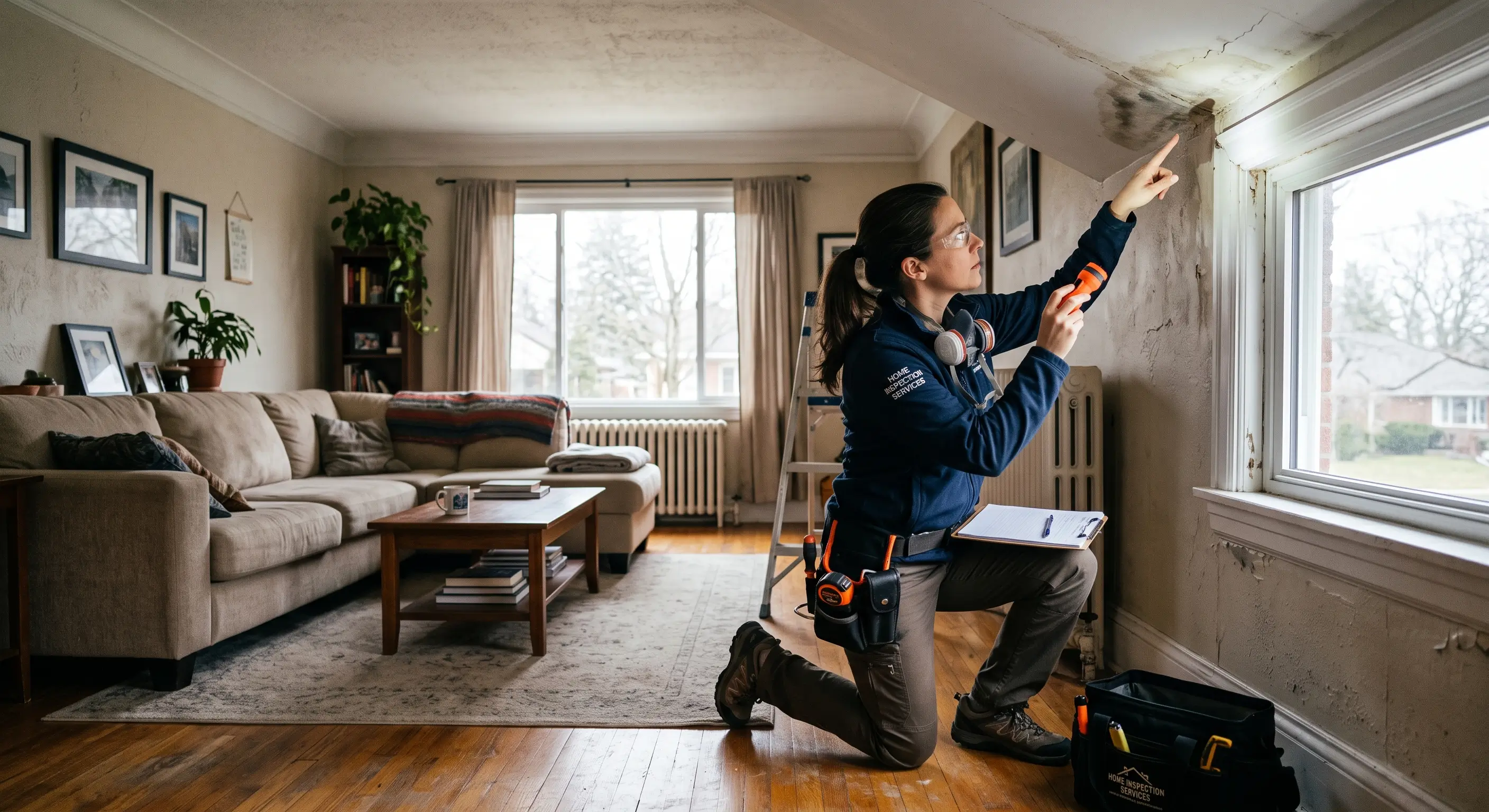
A tiny leak under a sink can hide for months. By the time someone notices, it's already warped the floor and fed mold behind the wall. A five-minute fix just became a five-figure repair.
That's why inspection frequency matters so much. It's one of the main reasons some rental properties hold their value while others quietly fall apart between tenant moves.
So how often should Terre Haute rental properties actually be inspected? The answer depends on a few factors. But most property owners land somewhere between quarterly inspections and twice a year.
Here's what actually works and why.
Key Takeaways
- Most property managers recommend inspections quarterly or twice a year, depending on tenant history and property type
- Skipping routine inspections increases the risk of costly repairs, lease violations, and disputes
- Indiana law requires reasonable notice before entry, generally treated as at least 24 hours
- Consistent, documented inspections protect both property owners and tenants when issues arise
How Inspection Frequency Affects Your Terre Haute Rental
Skipping inspections is one of the fastest ways to turn a small maintenance issue into an expensive repair. A slow leak under a sink can turn into water damage. A cracked HVAC filter can strain a whole system. Regular property inspections catch these problems while they're still cheap fixes.
Without routine inspections, you're flying blind. You won't know about unauthorized occupants, pets that violate the lease, or property damage until it's already serious. Here's what tends to happen when inspections fall by the wayside:
- Small maintenance issues turn into costly repairs
- Lease violations go unnoticed for months
- Documentation gaps make disputes harder to resolve
- Your investment slowly loses value
The Standard Inspection Timeline Most Property Managers Follow
A property manager typically builds inspections around a few key moments in the lease term, plus routine checks in between. Here are the main touchpoints that make up a solid inspection schedule.
Move-In and Move-Out Inspections
Every lease should start and end with a documented inspection. The move in inspection sets a baseline for your rental unit's condition. Photos, notes, and a signed checklist protect both the property owner and the tenant if a dispute comes up later. The move out inspection compares that same unit against the original documentation, which makes it much easier to sort out what counts as normal wear and tear versus actual damage.
Routine Mid-Lease Inspections
This is where inspection frequency gets debated. Many property managers recommend quarterly inspections for newer tenants or higher-risk units. Others prefer twice a year, especially for long term tenants who've built a track record. Either approach works as long as you stay consistent and communicate clearly with residents.
Drive-By or Exterior-Only Checks
Not every check needs to be a full walkthrough. A quick exterior look, checking for obvious signs of neglect, unauthorized vehicles, or visible damage, can happen more often without disrupting a tenant's privacy.
Factors That Can Increase Inspection Frequency in Terre Haute
Some situations call for more frequent property inspections than the standard schedule. Here are the main factors that push owners toward a closer inspection schedule.
- Seasonal weather: Terre Haute sees real winters and humid summers, which means freeze-thaw cycles and storm season both create risk. Checking HVAC filters, the water heater, and plumbing before extreme weather hits can prevent an emergency later.
- Tenant history or lease concerns: If a tenant has a history of late payments, complaints from neighbors, or previous lease violations, more frequent inspections make sense. This isn't about distrust. It's about protecting your investment while staying within the tenant's privacy rights.
- Older housing stock: A lot of Terre Haute's rental properties are older homes. Aging plumbing, roofing, and electrical systems benefit from a closer eye than a brand-new build might need.
Managing inspection schedules across multiple properties gets complicated fast, especially when every property type and every lease agreement looks a little different. That's where Complete Landlord Solutions steps in, building a consistent inspection schedule so nothing falls through the cracks.
What a Thorough Rental Inspection Should Cover
A good inspection isn't just a walkthrough. It should be thorough enough to catch issues before they become expensive. Here are the main areas every inspection should cover.
- Structural and safety checks: Inspectors should look at the roof, foundation, windows, and exterior for signs of water damage or wear. Safety concerns like smoke detectors, carbon monoxide detectors, and locks all belong on the list too.
- HVAC, plumbing, and electrical systems: These are the systems most likely to cause emergencies if ignored. Check hvac filters, look under sinks for leaks, and test outlets and fixtures throughout the unit.
- Lease compliance and property condition: This is also the moment to confirm lease compliance. Are there pets that weren't approved? Signs of unauthorized occupants? Is the square footage being used as intended, or has a garage turned into an unapproved living space? Documenting the property's condition here protects everyone if a dispute comes up down the road.
Rental Inspection Questions, Answered
Q: Can a tenant refuse an inspection entirely?
No, but they can push back on unreasonable timing or insufficient notice. As long as proper notice is given and the reason is valid, tenants generally can't withhold consent.
Q: Should vacant rental units still be inspected regularly?
Yes. Vacant units are more vulnerable to water damage, pest issues, and vandalism, so periodic checks are just as important as occupied-unit inspections.
Q: Does inspection frequency change based on property type?
It can. Multi-unit properties, older homes, and units with pets often need closer attention than a newer single-family rental with a stable, long term tenant.
Getting Inspection Timing Right for Your Terre Haute Rental
There's no single rule that fits every rental unit. But a solid baseline works for most: move-in and move-out documentation, quarterly or twice-a-year routine inspections, and extra checks when weather, tenant history, or property age calls for it.
Consistency matters more than picking a "perfect" schedule. It keeps tenants comfortable and helps you catch issues early, before they turn into bigger problems.
Complete Landlord Solutions handles inspection scheduling across every property type in Terre Haute, so owners always know their rental stays protected. Reach out to set up a plan built around your portfolio.